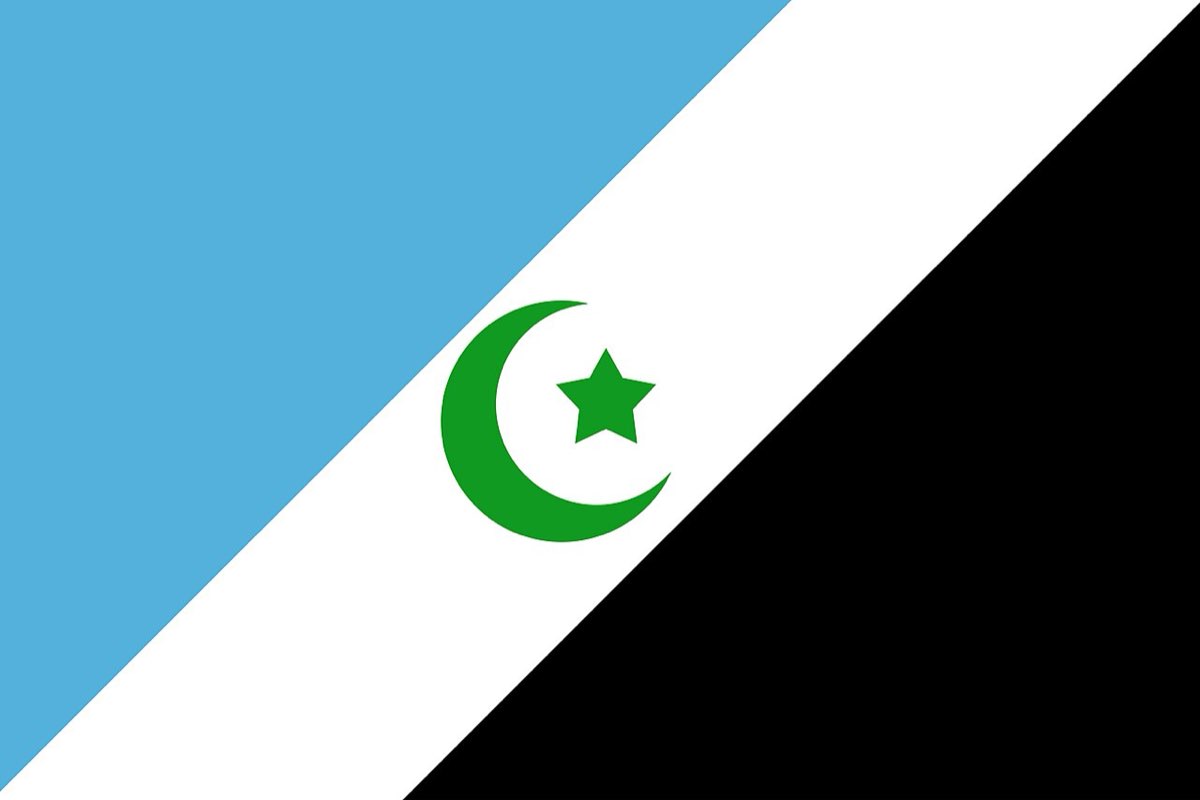
One of the important tribes maintaining its existence in Musul is Şebek.We haven't got the exact information about their origins and when they settled in the area.The speculations that the name of them came from Şah Beg, the ruler of Iran Bayats, don't seem to be proved in the view of science. One of the groups of Coce having sent the Timurs away from administration in West Turkistan, Şiban Özbeks took the coasts of Sirderya River-basin and Harizm from Timurs.The ruler Şaybak (Şeybek) was the most skillful and most ambitious one.We haven't got any information to prove the idea that gives likelyhood of Şaybak Tribe to be a descendant of Şaybak Ruler.There is not a frank document clarfying wheather they migrated from Iran or Anatolia. Researchers searching about Şebek Tribe are stated not to have persuasive evidences.However, Şebeks are known to be tied to Haci Veli, so are diffrent from the religious order of Iraq, and complety adopt to the tradition of Bektasi.Informations we have about them extent to 16. century. From the deed inventery dated H.932 (M.1526), we learn that the Şebek gorup in Musul consisted 15 family and had 2254 silver coins Varidata.And during the period of Murad III.,they were stated to become 173 bennak and 20 mücerred.
A record, peculiar to the negotiations of Vükela Assemblu, is stated in the document of Ottoman archieves, that is about the rewarding of Sarılı and Şebek Rulers who accepted Ehl-i Sunnet Creed.A decision was taken in the record dated 16th September 1892, that Hasan and Hüseyin chiefs were to be given the sign of Mecidi from the forthrang.For the people of Şebek villages and for Yez,d gruops accepting Islamism, school and mosques with tezacher and hodjas were thought of designing at the same date. The orders, dated 23 September 1892, of Sultan in Musul were writen addressing to the Ministry of the Interior and the Ministry of Education to built school, mosque, rooms for hodjas and door keeper and to sent teachers to the area of Şebeks, who had informed their acceptance of Islam, in order to teach them the rules of Islamism.
Having almost 40-50 thousand of population (speculation of 1989), Şebeks are living in more than fifty villages in the eastern part of Musul today.The main ones are: Abbasiye, Albek, Arpaci, Babiniyet, Basahre, Ba'şika, Ba'vize, Bazvaya, Baybug, Bedene, Bilavat, Besan, Bisatli, Cilevhan, Cinci, Deraviş (Dervişler), Gökçeli, Harabasultan, Haznebend, Hidirilyas, Karakoyun, Karasor, Karatepe, Karatepe Şebek, Karayatag, Kadiköy (Kaziye), Keberli, Kehriz, Korgariban, Minara Şebek, Omerkayaci, Yunuspeygamber, Selamiye, Semsiyyat, Seyhemir, Sirehan (Sirihan), Telyara, Tercille, Tezharap, Topzava, Yarimca, Yengi Bisatli, Zehrahatun.
Connected to the tarekat of Bektaşi, Şebeks arrange their religious ceremony according to the traditions of Bektaşi.The groups of Şebeks, showing great respect to Haci Bektaşi Veli, were arranging rites with music in the dervish lodge of Bektaşi that was active in many places during the Ottoman Empire.The buildings of the dervish lodge of Bektaşi, which was active in the Nebi Cercis District in Musul at that time, are able to exist up to now.The language Şebek sounds like Azeri Turkish.Their favourite book called ''Buyruk'' which was formed by four bindings was also writen in Azeri Turkish.The poems sung at the religious ceremony generally belonged to such famous poets; Fuzuli, Nesimi, Hatai, and Sadi.However, as an instrument, a plucked string instrument ''saz'' was thought to be the best one.All Şebeks existing today are not Shi.As understood from the documents above, there were groups becoming Sunni as well.Similarly, most of the Şebeks of Gökçe and Yarimca are Sunni today.