The senior officials of the state enthroned his eldest son, Izzeddin Keykavus as the sovereign of the state pursuant to the death of Giyaseddin Keyhusrev. Upon his enthronement, Alaeddin Keykubad rebelled. Keykubad collaborated with Tugrul-shah who was the ruler of Erzurum and the Armenian king; then, he besieged Keykavus in Kayseri. But after a while, the Armenian king and Tugrul-shah left the blockade. Upon this development, he understood that he could not fight all alone and he retreated to Ankara. Keykavus who recovered from the dangerous situation in Kayseri came to Konya and ascended the throne with an official ceremony. Neverheless, his brother who was in Ankara was still dangerous for him. In the following year, he besieged Ankara for a long time and Alaeddin Keykubad surrendered and he was arrested in the castle of Minsar within the environs of Malatya.
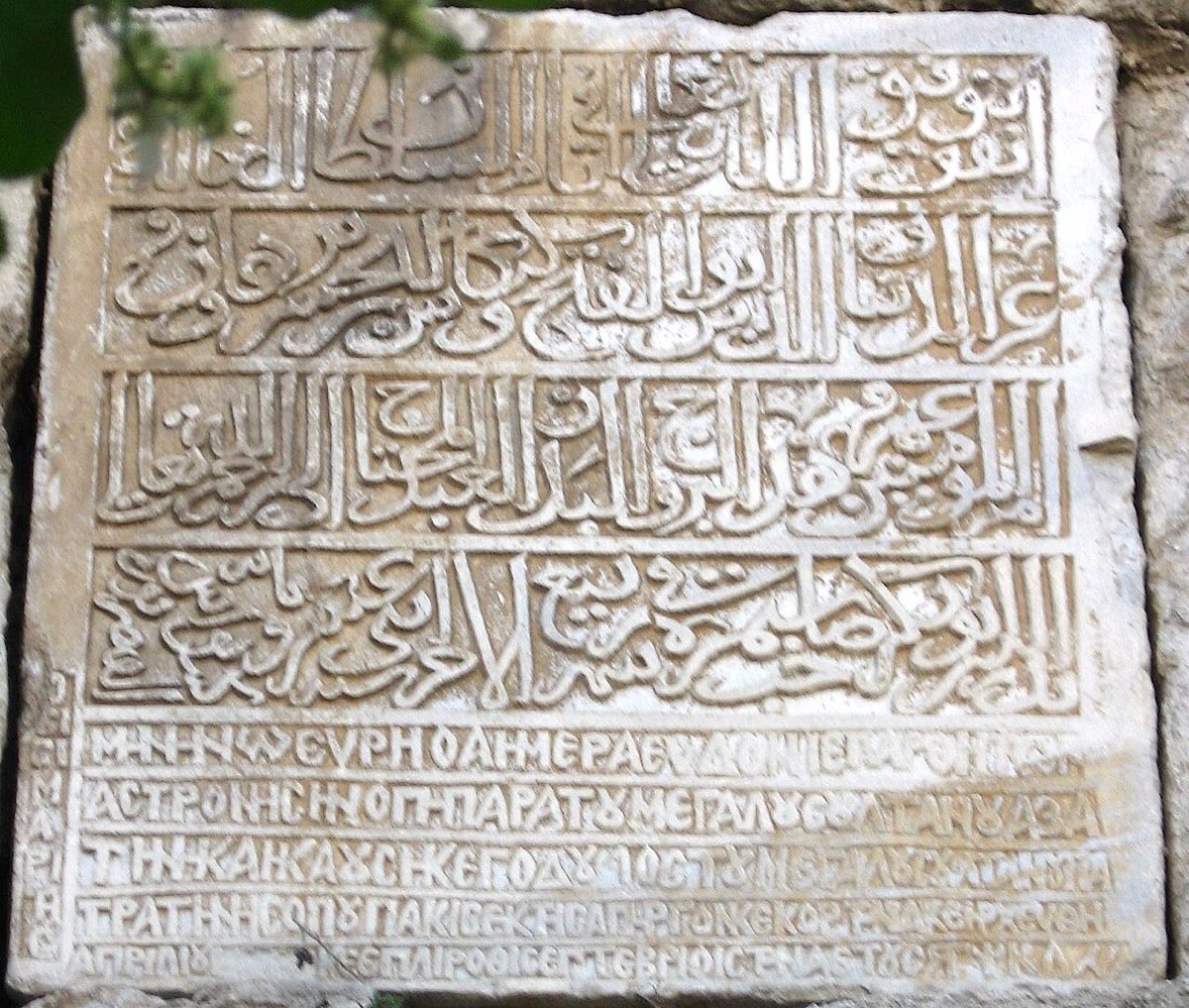
Thedoros Laskaris who was the emperor of Iznik sent a diplomatic corps and congratulated his accession to the throne and he wanted to improve the relationship between the two states that were on strained terms due to the war in Alasehir and death of his father in the battlefield as a martyr. Izzeddin Keykavus accepted this offer of Laskaris and he made an agreement with him. In parallel to the trade activities that developed from that time on, Seljuk sultan followed the same policy that was followed by his father. Accordingly, he renewed the trade agreement with Hugues, the king of Cyprus and he provided the development of the commercial relations between this island and Turkey. When he provided the partial security of the Mediterranean trade, he planned to assure the security of the northern trade. Therefore, he advanced towards Sinop that was a field of struggles between Trebizond and Iznik empires. He conquered the city in December 1214 and he made Turkish population settle in this city particularly with the class of merchants. While Sultan Izzeddin Keykavus was occupied with the conquest of Sinop, the Christians in Antalya had rebelled and captured the city through the support that they had provided from Cyprus. Sultan came to Antalya with a rapid speed and subdued the city after a blockade that continued for one month (23rd January 1216).
Meanwhile, Leon II, the Armenian king of Cilicia had opposed to him in the throne struggles with his brother and he had benefited from these struggles and invaded the cities of Karaman, Eregli and Ulukisla. Therefore, Sultan who returned from Antalya to Konya organised a military expedition against him. Pursuant to the recapture of these three cities, he continued his adcance and he encountered with he Armenian army in Keban that was a border town of the Armenian state and he defeated them in a crushing manner (1216). Sultan had organised his last military operation against the Eyyubi State, but he retreated to Elbistan upon the defeat of his vanguard forces within the environs of Aleppo (1218). In order to take revenge of this defeat by Eyyubi State, Izzeddin Keykavus departed from Konya and came to Malatya in the year of 1220. He became ill in this city and he died in Viransehir at the age of 30-35.
Izzeddin Keykavus who was one of the greatest notable sultans of Turkey Seljuks State had an inviolable will, an inexhaustible power and a strong political view. He benefited from the discord and conflicts among the neighbouring states and expanded the borders of his country and increased the influence of his state. Besides his political and military successes, he had endeavoured great efforts for the development of his country in respect of its economy and he succeeded in this purpose. As a matter of fact, the activities of public works were continued all over the country. He had protected and encouraged the scholars and the artists and had great services in the development of his country in intellectual respect.