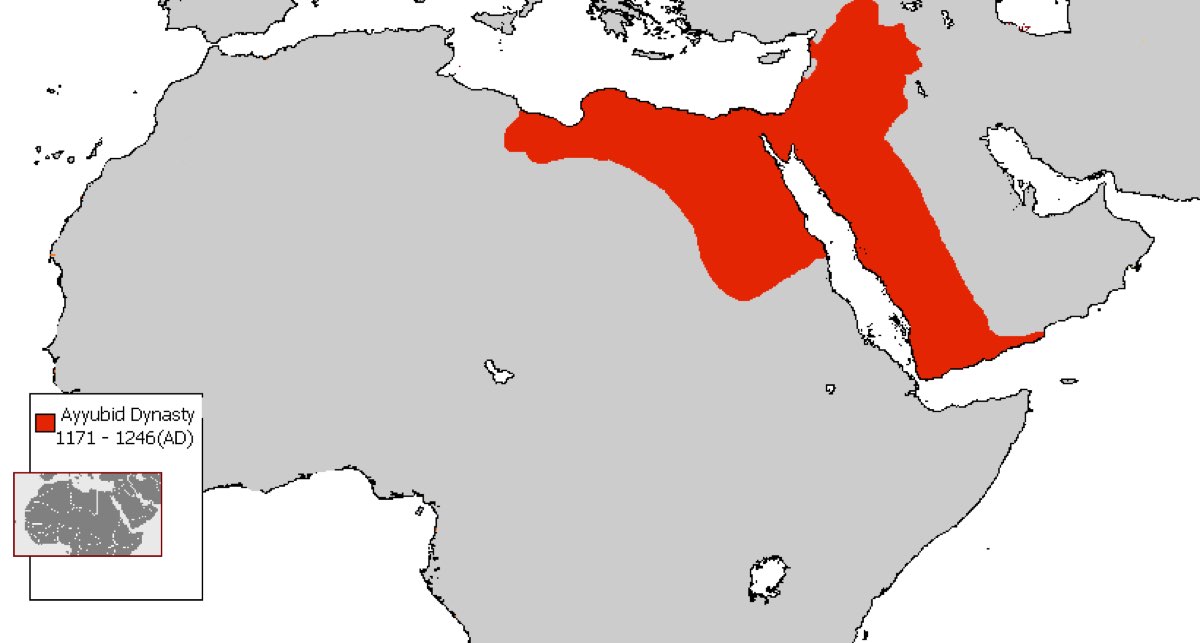
Sultan Alaeddin Keykubad had spent his last years of his life with the struggles with Eyyubi State. IN the first fight that took place in the year of 1234, Eyyubi army was defeated. In the following year, Alaeddin Keykubad arranged his army in Kayseri and set off in order to repulse totally the Eyyubi State from the Eastern Anatolia. Some of the forces were sent to besiege the city of Diyar bekir. The forces that were under the personal command of the sultan captured Rakka, Urfa, Harran and Siverek pursuant to cruel and severe blockades. However, pursuant to the retreat of Seljuk forces, el-Melik el-Kamil captured Urfa and Harran and imposed various oppressions and tortures to the people. Under these circumstances, it was required to extirpate the matter definitely. Alaeddin Keykubad gathered his army in Kayseri with the purpose of the annihilation of el-Melik el-Kamil through a definite blow. But he was poisoned and killed in the course of a feast just before he set off with his army for the planned operation (30th May 1237) and his corpse was forwarded to Konya and buried in the mausoleum attributed to him.
Sultan Alaeddin Keykubad is one of the greatest rulers of Anatolian Seljuks State and of his period. In his period, the state had experienced its highest level in respect of policy, economy and culture. He had undertaken great public works all around the country. He enjoyed science and art, and he would have forums of disputes and discussions related with the history and policy, and he protected the scholars and artists. His period of sovereignty is considered among the most prosperous periods of the history of Turkey. Most of the mosques, theological schools, caravan inns, bridges and hospitals that had been constructed by him have still maintained their splendour. His death at a very young age and in the course of the emergence of Mongolian threat was a terrible misfortune for the history of Anatolian Turks.