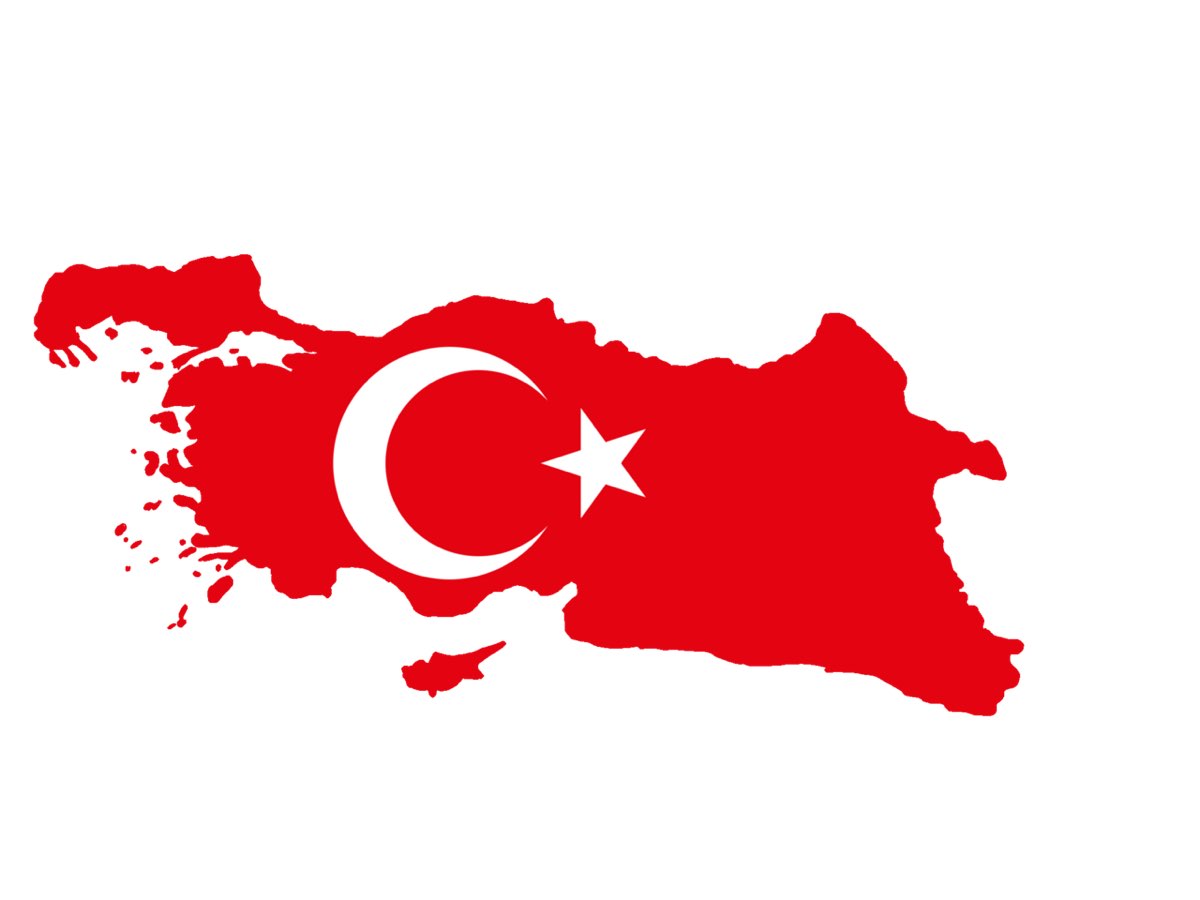
Pursuant to the elections carried out, the Representative Council was opened in Istanbul on the date of 12th January 1920. The activities of the Council were managed by the temporary chairmen for a while. Afterwards, Reşat Hikmet Bey who was the nominee of the Palace was elected as the chairman of the council. Upon his death, Celalettin Arif Bey was appointed to this post. Despite all sorts of pressure imposed on it, the Representative Council showed that it was a council worthy of the Turkish nation. In the secret session that was carried out on the date of 28th January 1920, this council approved and adopted the National Pact (National Oath). In the open session that took place on the date of 17th February, it was resolved that this National Pact should be published in press and declared to the foreign parliaments. A Group for the Defence of Rights could not be established in the Council in accordance with the demands of Mustafa Kemal Pasha. Instead of this group, a group was organised under the name of the Safety of Country (Felah-ı Vatan). This group that was founded on the date of 7th February had nearly 80 members and thus, it constituted two thirds of the council that was composed of 140 members. The National Pact was based on the resolutions that were taken in Erzurum and Sivas Congresses. It reflected the conscious sense of the full independence of the Turkish nation and it rejected all sorts of restrictions that prevented the economical development of the nation. Since it included the minimum conditions that we could consent, it had the characteristics of a peace program. We consider the National Pact as he pride of a council that was under all sorts of threats and pressures. The conditions stipulated in this National Pact were as follows:
The future of the regions with Arabian majority and the regions of the Ottoman State that had been under invasion before the conclusion of the armistice (Mondros) dated 30th October 1918 should be determined with the free votes of the people of these regions. All of the regions with the majority of Ottoman and Muslim people within the borders specified in the armistice shall constitute an indivisible union.
In case of necessities, we shall accept the repetition of the referendum of public opinion in three districts (Kars-Ardahan-Batum) that had annexed to the homeland upon their own referendum when the people of these districts were set free and independent.
The legal status of Western Thrace that is postponed to the state of peace to be concluded with Turkey shall be determined with the free referendum of the public opinion.
The security of Istanbul and the Sea of Marmara shall be protected. Providing this precondition, the resolution taken upon the unanimous vote of the relevant countries together with us shall be effective in respect of the passage of Straits for the world trade and transportation.
The rights of the minorities shall be assured on condition that the Muslim people in the neighbouring countries shall benefit from the same rights.
Like any other state, we require full independence and freedom in order to provide our national and economic development and accomplish the works with modern and contemporary methods. Therefore, we are against all restrictions that will prevent our political, legal and financial development. The payment mode of our debts shall not be in contradiction with this principle.
As it can be observed, the National Pact was composed of the opinions that Kemal Pasha had alleged and advocated from of old. Therefore, the approval of this document by the Representative Council meant that the Ottoman Council had approved the opinions of Anatolia. Furthermore, the methods for the accomplishment of the targets stated within the document were not explicitly determined. This situation provided the opportunity of freedom of movement for Mustafa Kemal Pasha. Before this event, the rulers decree in relation with the dismissal of Mustafa Kemal Pasha from the military profession and the arrogation of the ribbons and medals that he wore was abrogated. According to a new decree that was issued on the date of 3rd February, this governmental transaction that was not based on a jurisdictional decree was considered as null and void. It had been accepted that Mustafa Kemal Pasha was not dismissed from the military profession and he resigned from his office. Besides, his ribbons and medals were returned. These events constituted important benefits for the supports of the National Resistance. However, the Allied States were bewildered and angry due to the adoption of the National Pact since they had supposed that the ruler and the government would establish dominion in Anatolia upon the assembly of the council in Istanbul.