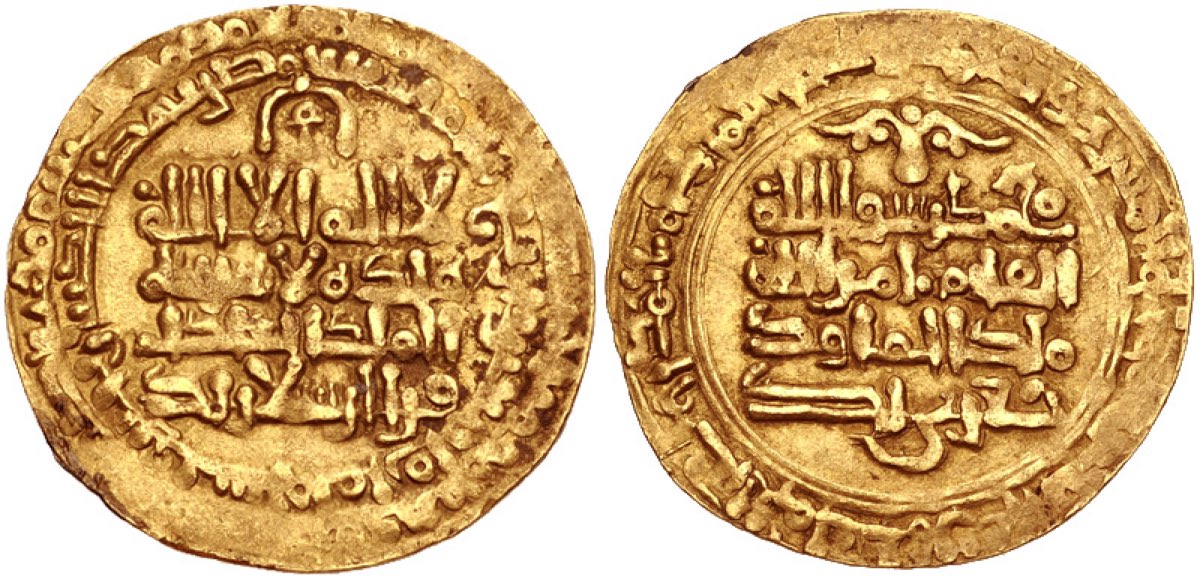
When Seljuk State won the victory of Dandanakan war (1040) that had an important place in their history, they probably convened a general assembly in the city of Merv. In this assembly, they shared the lands that they had conquered until that time and the fields that they were to conquer in the future among the members of the dynasty according to the tradition of domination among Turks. In the course of this planning for shares, the province of Tabes and the region of Kirman and the environs of Kuhistan had been given to Kavurd. Kavurd was Cagri Bey Davud's elder son. The Seljuk raids to the province of Kirman started in the years of 1042-43. Then, the Ruler Kavurd came to the region of Kirman in Iran together with five-six thousands of Turkish cavalrymen in his revenue. The northern Kirman (Serd-sir) that was under the dominion of Buveyhi people was captured by Kavurd in the year of 1048 and he established his dominion in this place. Therefore, he laid foundation for the establishment of Kirman Seljuks State. Kavurd could establish a general domination in Kirman only within two years (December 1050- January 1051). While the Ruler Kavurd dominated in Kirman, the eastern end of the Arabian Peninsula was under the dominion of Oman Buveyhi people. Kavurd then paid attention to the region of Oman. He hoisted sails towards the coasts of Oman with the ships that he had provided from the emir of Hurmuz. Therefore, Kavurd realised his first overseas expedition in the history of Seljuks State with his ships under his command. As a result, Kavurd established dominion in Oman. Pursuant to Oman, he advanced towards Fars that was a neighbouring province in the west of Kirman and captured it (1062).
Upon the death of Tugrul Bey who was the sultan of the Great Seljuk State (4th September 1063), Kavurd wanted to be involved within the struggles for the sovereignty and to become the sultan instead of his uncle. However, when he heard that his brother, Alp Arslan was enthroned as the sovereign of the Seljuk State, he returned to Isfahan and recognised his sultanate. However, Fazliye who was the former ruler of Fars asked help from the Sultan Alp Arslan. Firstly, Sultan Alp Arslan send the requisite help and then, he personally advanced towards Fars and captured this place from Kavurd. Then, he returned these lands to Fazliye. The fact that Alp Arslan did not want Kavurd to gain much more power and to expand his fields of domination must have played an important role in the return of Fars to Fazliye by Sultan Alp Arslan.
After a while, Kavurd rebelled against Sultan Alp Arslan upon the encouragement of his vizier. When Sultan learned this situation, he immediately advanced towards Kirman (June-July 1067). Kavurd who lost the war that took place among the vanguard forces preferred to run away. As a result, Alp Arslan forgave his brother and went to the region of Fars. We have observed that the Ruler Kavurd had collaborated with his old enemy, Fazluye and rebelled against Sultan Alp Arslan within two years after his pardon. Sultan assigned his Vizier Nizam ul-Mulk with the task of fighting against Fazluye, and he went to Kirman. Nizam ul-Mulk was able to take Fazliye as prisoner. When Alp Arslan perceived that there was a group within his own army that supported KAvurd, he had to leave Kirman (1069).
Despite these events, Sultan Alp Arslan had taken into account his brother, Kavurd in the testament that he had arranged in his lifetime before his death, and he had left the domination of the regions of Fars and Kirman to his brother. Pursuant to the death of Alp Arslan (1072), his son, Melikshah was declared as the sultan of the Great Seljuk State. On the other hand, Kavurd had also wanted to ascend the throne of the Great Seljuk State. To this effect, he set in motion. As a result, Melikshah won the war. Although the Ruler Kavurd had firstly run away, he was caught and taken prisoner and then, suffocated with the string of his bow (1073). The Ruler Kavurd was a fair man who had a good head for business. He had pleased the people with his generosity and good administration and Kirman people had attained wealth and prosperity in his period. The fault of Kavurd as a ruler was his involvement in the struggles for sovereignty in order to become the sultan of the Great Seljuk State.
When the Ruler Kavurd set off in order to fight with the Sultan Melikshah, he had left his son, Kirmanshah as his representative in Kirman. Upon the news about the death of his father, Kirmanshah had become the ruler. The kingdom of Kirmanshah could only last for one year, and then, he died.Pursuant to Kirmanshah, his son, Kavurd's younger son, Huseyin was enthroned. However, Sultanshah who was one of the sons of Kavurd ran away from prison in which he was detained in Hemedan and he ascended the throne of Kirman Seljuks State instead of his brother who was at a very young age (September-October 1074). After a while, Sultan Melikshah advanced towards Kirman with a great army. However, due to the high traffic among the envoys and the mediation of the emirs, Melikshah pardoned Sultanshah, and left him in his place. Then, he returned to Isfahan again. Sultan-shah died in the year of 1085.