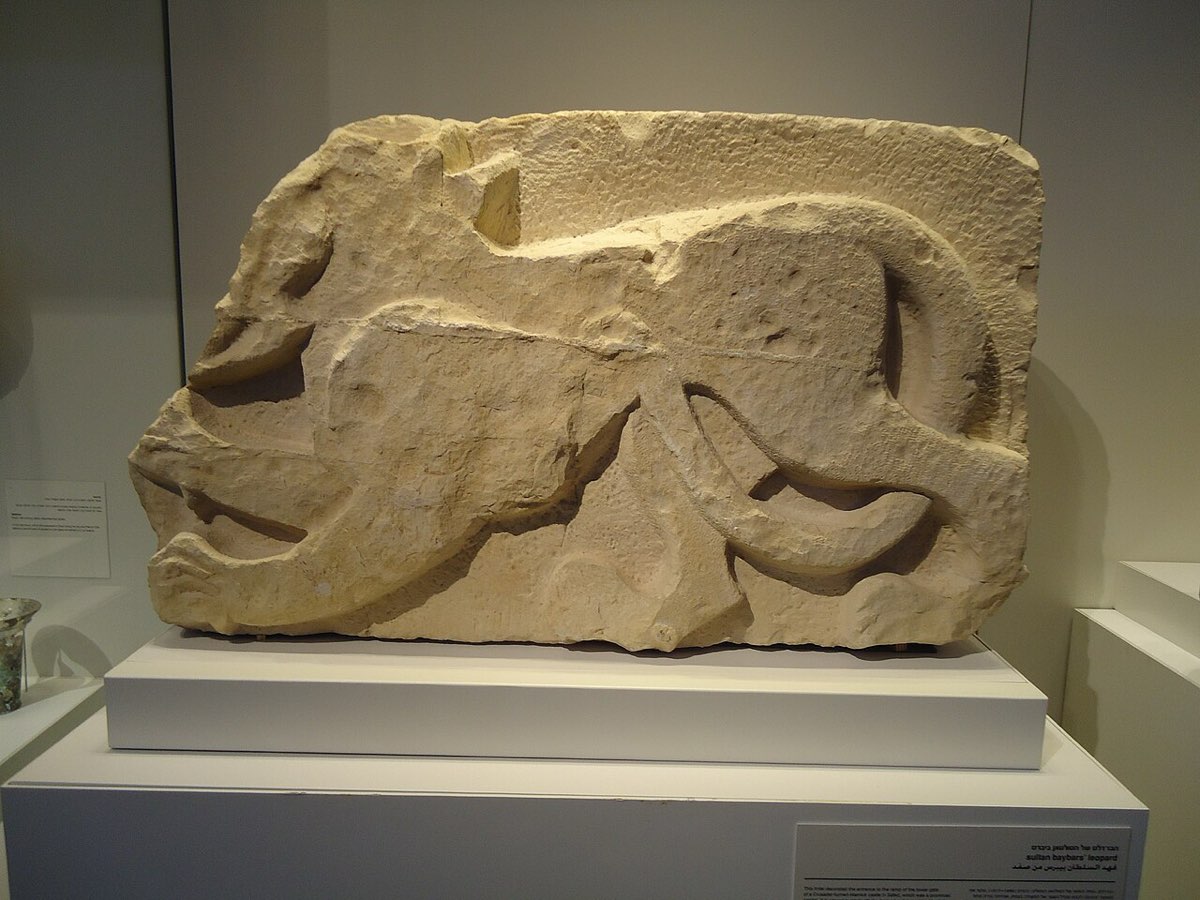
Baybars was born in Kıpçak in 1223.
was a Kıpçak Turk and the son-in-law of Berke Khan who was Altınordu Khan and grandson of Genghis Khan.
was taken to Cairo as a slave, and was commissioned in the hassa army of Eyyubis. He showed himself with his intelligence and skills in a short time. He was commanding the pioneering units in the war against the Crusaders in the battle of Ayn-Calud. Sultan Kutuz not only refrained from granting him the governorate of Aleppo, but also wanted to kill him thinking he may be elected as sultan instead of himself. Baybars caused miscarriage of this plan, killing Kutuz. Baybars, who was elected as the sultan after him, founded Egypt Abbasi Caliphate by appointing another person from the same family instead of the Abbasi caliph killed by the Mongols in the first of year of his rule (in 1261).
He became the ruler in 1260 and ruled until 1277, when he made Egypt Turkish state reach its strongest period.
Baybars, who was a brave soldier, showed that he was both a powerful ruler and a good administrator. He won the battles against Europeans, Armenians and Mongols. He fought with Ismailis. He supported Turkmen emirates resisting Mongols in Anatolia and advanced as far as Kayseri leading his army. He seized the capital city of Armenians, Sis city (1274). Then he turned back to Damascus in order not to go too far from his headquarters.
Baybars, who established political relations with Altınordu and Byzantium states died when he was 54 by getting sick in June 1277.
Baybars, who was cited as one of the biggest and model rulers of Medieval history conducted a great reform in state organization and drove Crusaders away from Near East.